Chapter 1
Early years
Where were they born? What was home like? What do you remember about their childhood? Were there family traditions, routines, or favourite places?
A Loved Ones page gives each person in your family, living or passed, a private profile with their photo, relationship and dates, a life story in four guided chapters, and links to every album, timeline and capsule they appear in. Free families can add 1 loved one; Premium families, at £3.99 a month, can add as many as they like.
It is not a public memorial site. Only the people in your family space can see it.
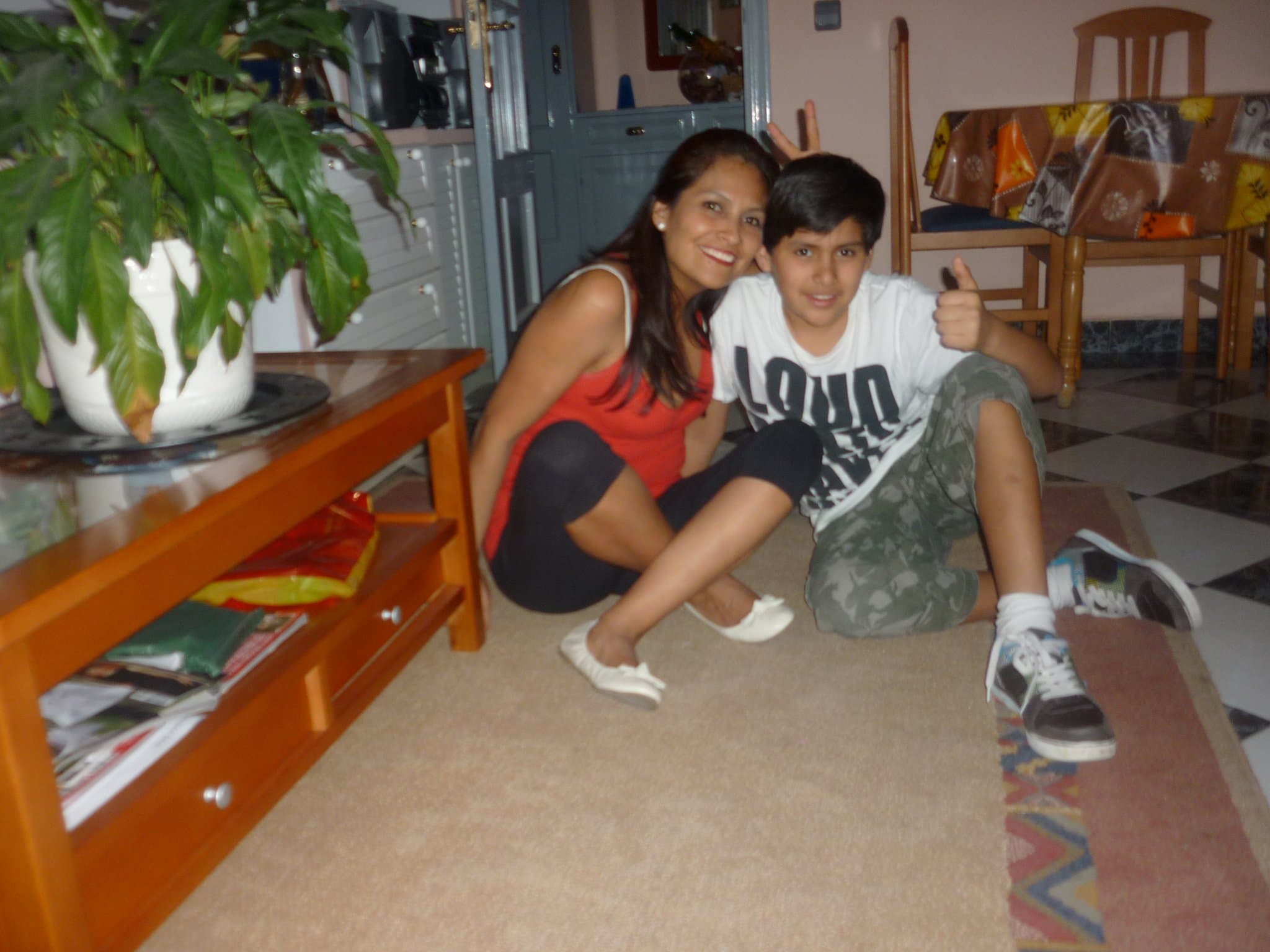
“Me and my mum. The woman behind everything.” From the founder's own family photos.
You start with the basics: their full name, a photo, who they are to you and their dates. The relationships are parent, sibling, child, spouse or partner, grandparent, auntie or uncle, extended family and friend, and your Loved Ones page groups everyone under those headings. Dates go in as DD/MM/YYYY. Leave the date of death empty and the page shows them as Living, with their age worked out for you.
From there, each profile becomes a page of its own, with:
Yes. Add their date of death and the page changes with it: their life status reads Forever Remembered, the span shows the years they lived, and the page describes itself as a dedicated space to preserve their story, albums, moments and messages for the future.
Keeping a bond with someone who has died has a place in grief research. In 1996, Dennis Klass, Phyllis R. Silverman and Steven Nickman published Continuing Bonds: New Understandings of Grief, which challenged the dominant 20th-century model that the purpose of grief is to “cut bonds with the deceased”. The book argued that a healthy resolution of grief lets people keep a continuing bond with the person who died, and that “such bonds are not denial”.
It works just as well for the living. A page made now for a parent or grandparent can be filled in with them, and the chapter questions make a natural conversation. Our list of questions to ask your parents about their life has thirty more.
Where were they born? What was home like? What do you remember about their childhood? Were there family traditions, routines, or favourite places?
What moments changed the direction of their life? What made them proud? Which milestones should never be forgotten? What seasons of life shaped them most?
Which memory still makes you smile? What family tradition always stands out? Was there a holiday, gathering, or moment that felt unforgettable? What simple memory meant more than it seemed at the time?
How would you describe their energy? What little habits or phrases made them feel like them? How do people remember them? What made them different from everyone else?
The questions above are the ones each chapter asks. Every chapter also has its own photo and its own space to write, and you can fill them in any order.
Only the people in your family space. Loved Ones pages live in My Family, the private side of Ancestorii, where everyone you invite can see everything and nobody else can. They do not appear on Our Stories, the public story feed, and they never show up in search results.
There is no public version of a Loved Ones page. If you want to share part of someone's story more widely, you can write it as a story on Our Stories, which is a separate step you take on purpose, and you can take it down at any time.
Cruse Bereavement Support describes a memory box as “a simple way to remember someone who has died”. Its other suggestions include speaking to people who knew them, making a photo collage, writing them a letter, choosing a day each year to dedicate to them (perhaps their birthday), cooking their favourite food and learning their favourite song.
Several of those carry over to a family library. A collage can become an album tagged with their name. A letter can go into a capsule that opens on their birthday. A timeline can set out their life in order, and relatives can add voice notes with their own memories of them. A printed Memory Book, from £44.99 plus delivery, turns the photos and words into something to hold. Andrea, from Dudley, made one about her late dad: “It captured the essence of him and the life he lived.”
Our guide to keeping the memory of a loved one alive goes further.
A photo tells you what someone looked like. It does not tell you who they were.
On the Free plan, a family can add 1 loved one. Premium, at £3.99 a month for the whole family rather than per person, removes the limit and raises storage from 1 GB to 100 GB. If you try to add a second profile on Free, the website tells you that you have reached your plan's limit. The full plan details are on the pricing page.
Loved Ones are profiles of the people in your story. They are not the same as the family members you invite into your space, and there is no cap on those. Albums, timelines and capsules are unlimited on both plans. If you ever cancel Premium, nothing is deleted: existing profiles stay, and only adding new ones beyond the Free limit stops.
The pieces of a person usually end up scattered: photos on several phones, stories in a few people's heads. A Loved Ones page gives them one home that grows each time an album, timeline or capsule is tagged with their name. It stays private to your family and works for the living as well as the dead. If the words will not come, Story Assistance, Ancestorii's optional AI writing help, can suggest prompts for each of the four chapters, and you decide what to keep.
What it is not: a family tree, a genealogy research tool or a public tribute page.
Free to start. One loved one on Free, unlimited on Premium.
Free forever · No credit card · Takes 2 minutes